The archaeological site of Abu Mena, situated approximately 45 kilometres southwest of Alexandria, represents one of the most significant early Christian pilgrimage centres in the Middle East (Fadel and Salama, 2025). Inscribed on the World Heritage List in 1979, the site is an outstanding example of a monastic complex built over the tomb of the martyr Saint Menas of Alexandria, who died in 296 AD (UNESCO, 2025). Following a period of severe environmental degradation that placed the property on the List of World Heritage in Danger in 2001, successful conservation efforts led to its official removal from this list on 9 July 2025 (UNESCO, 2025; Zaghloul et al., 2020).
The Archaeological and Spiritual Complex
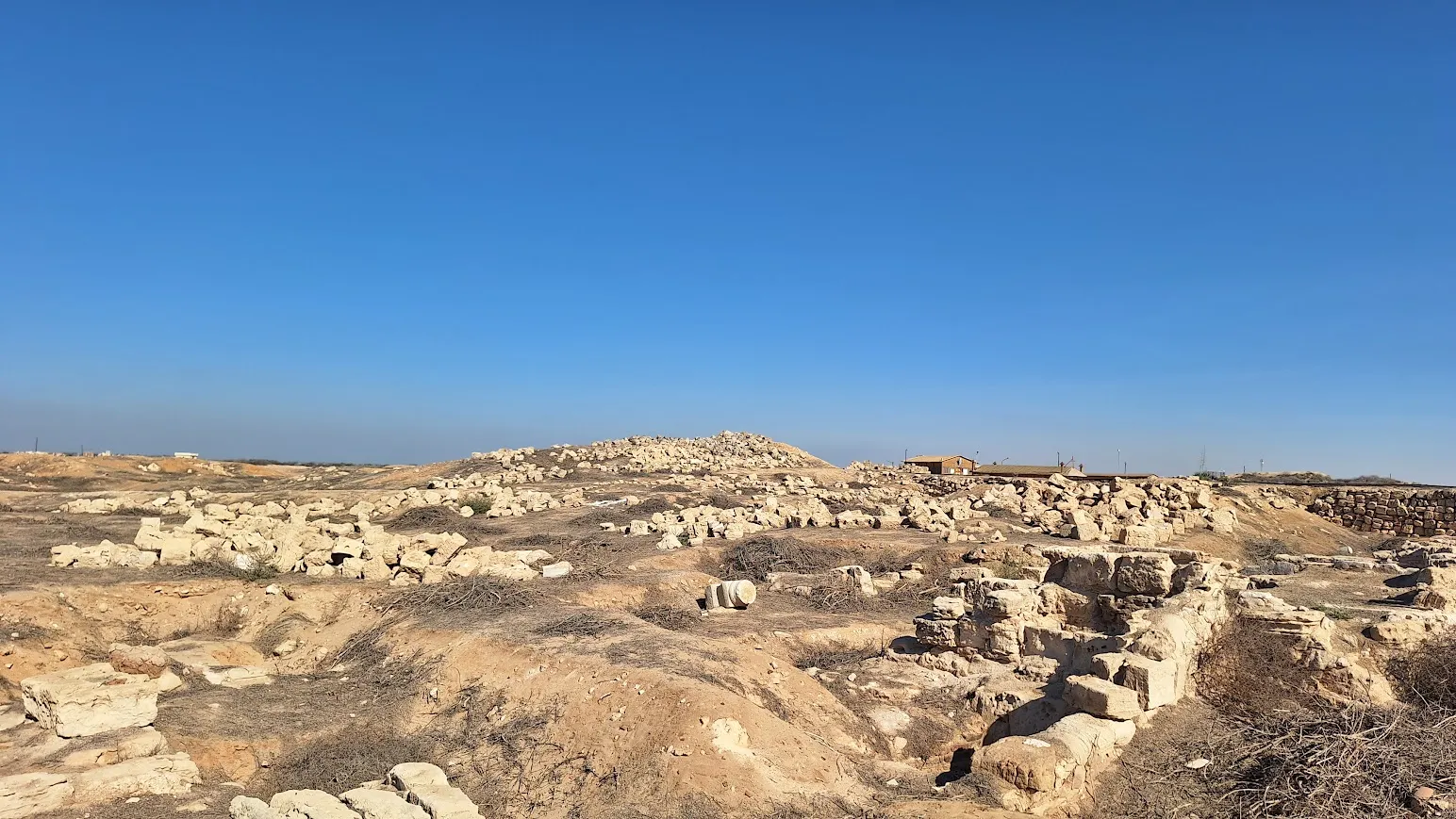
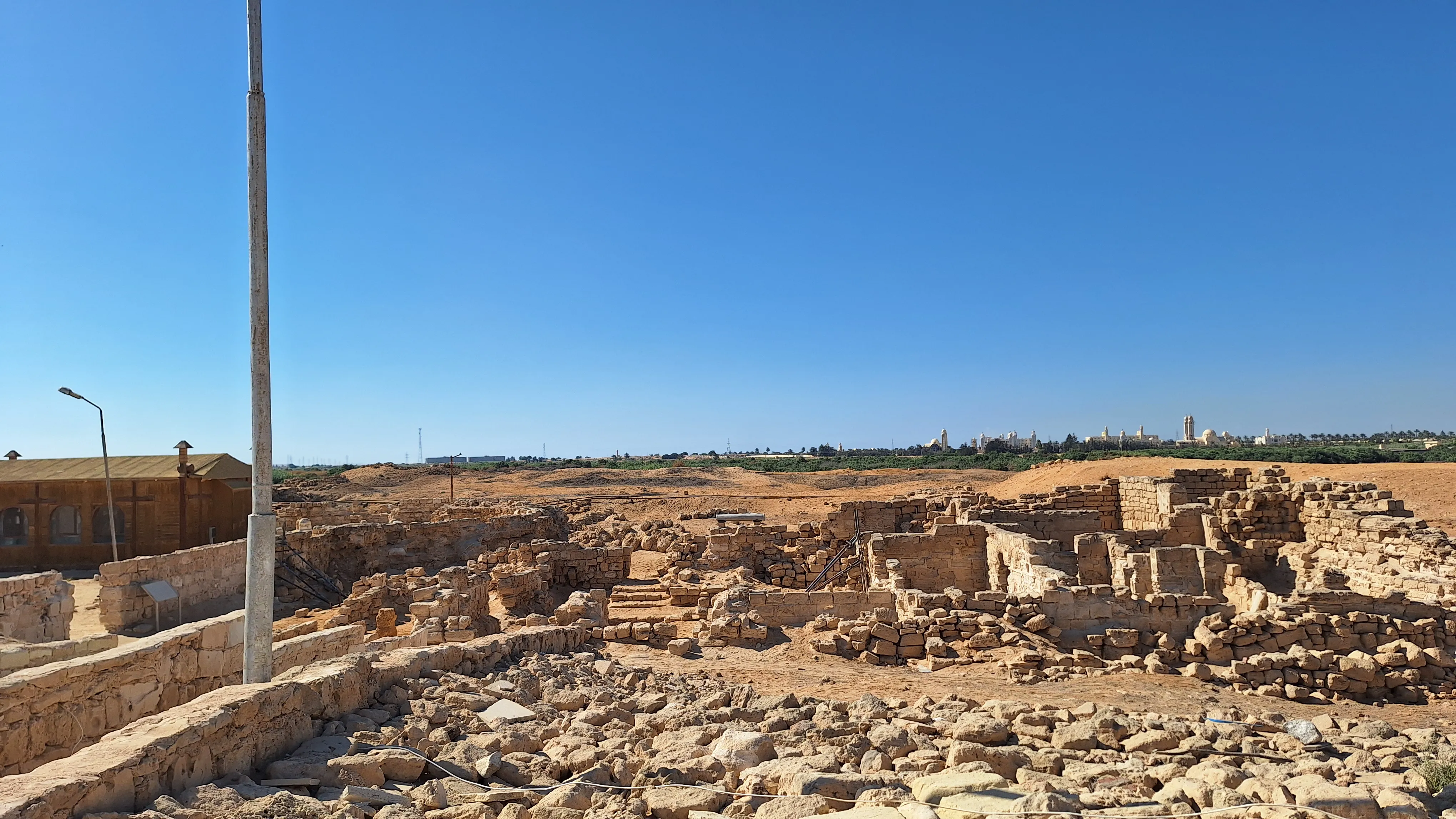
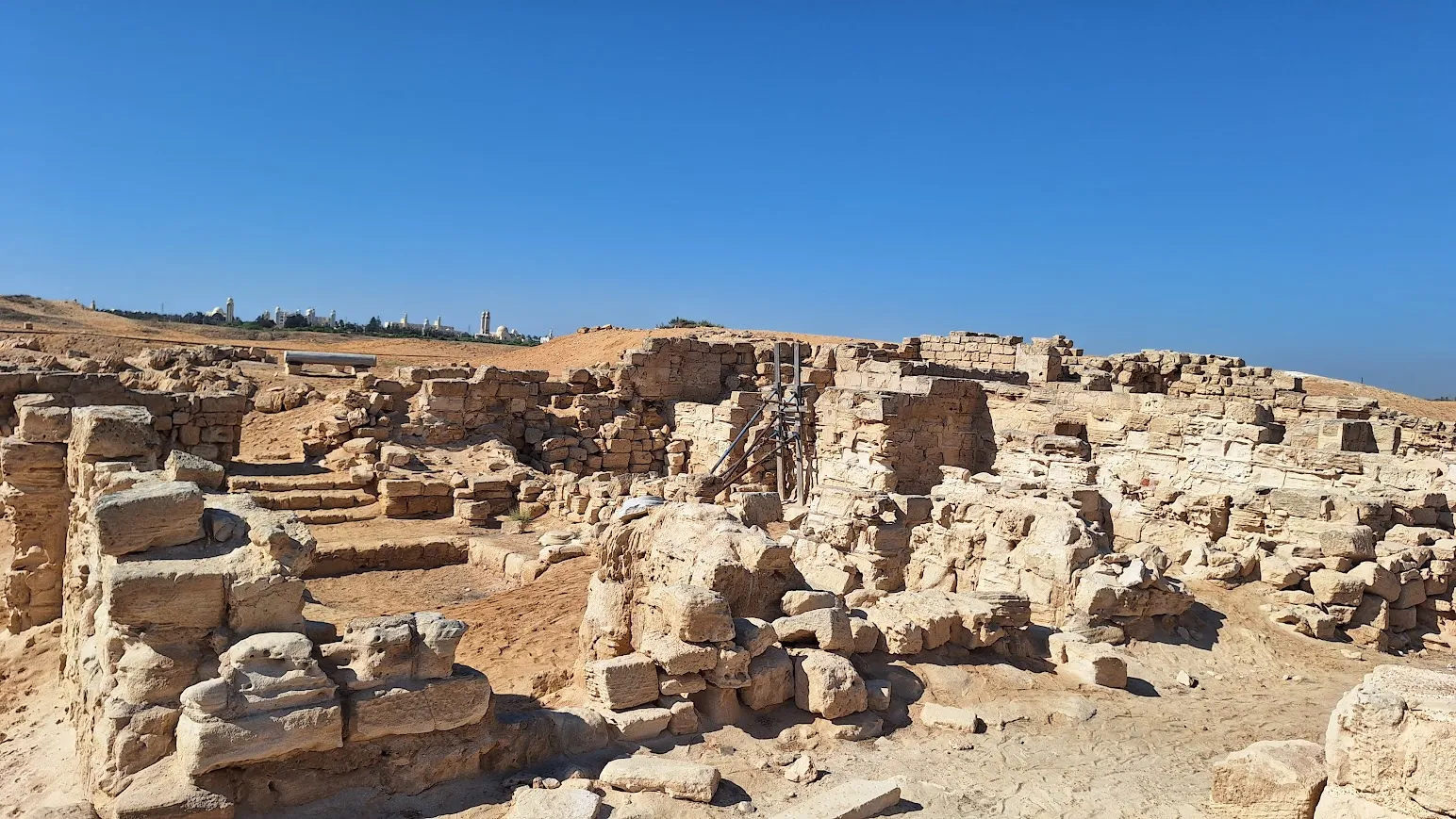
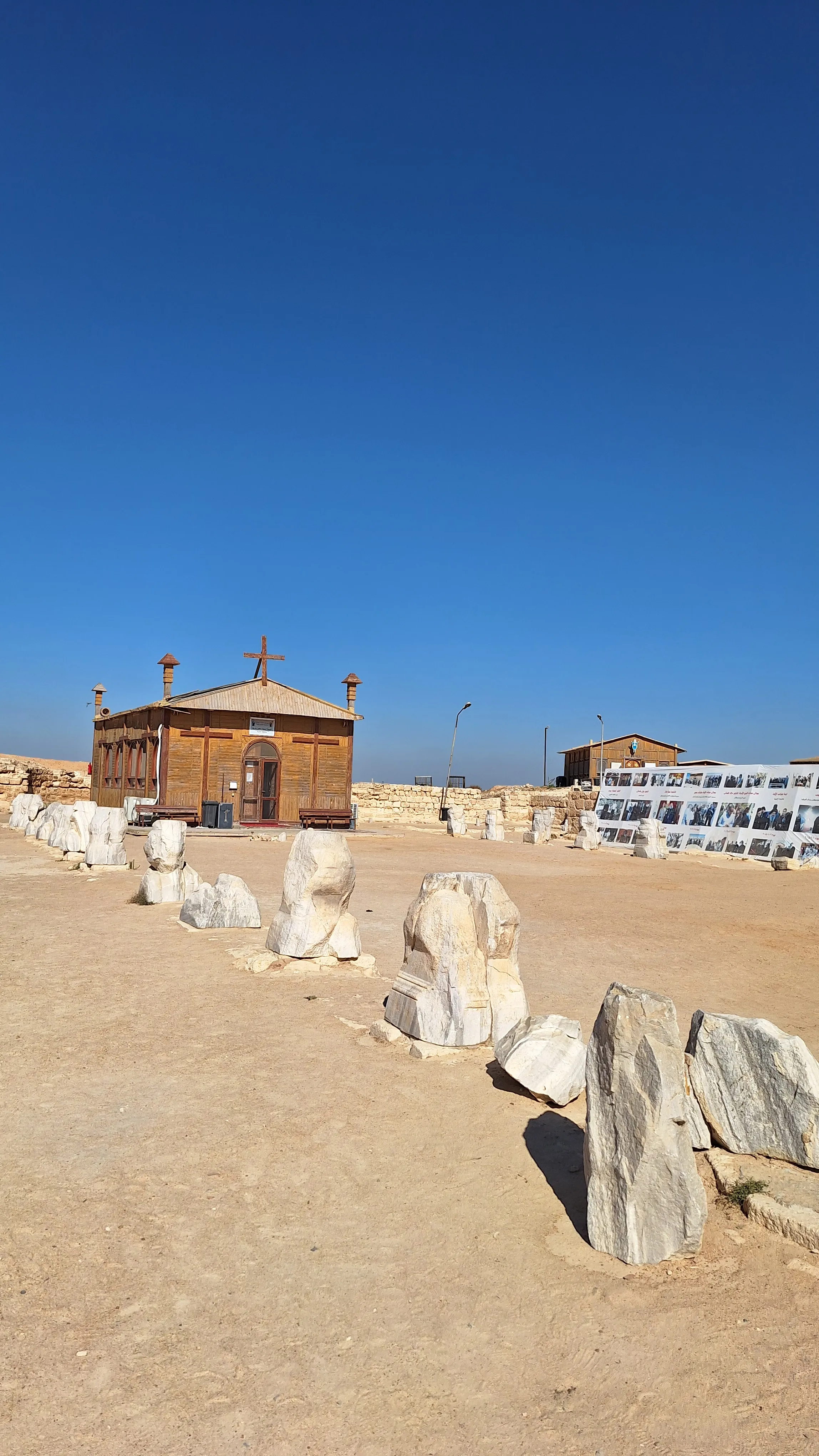
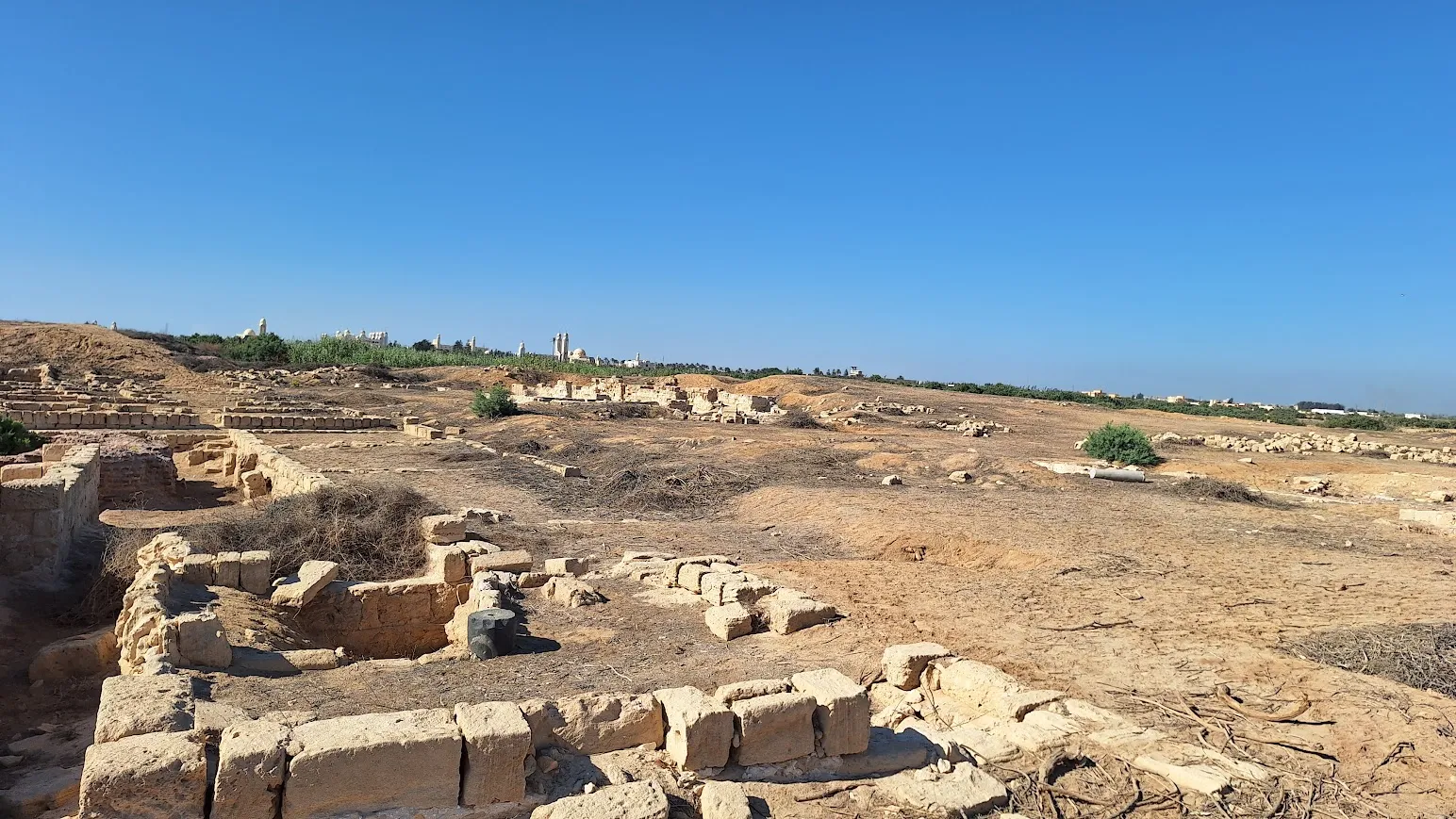
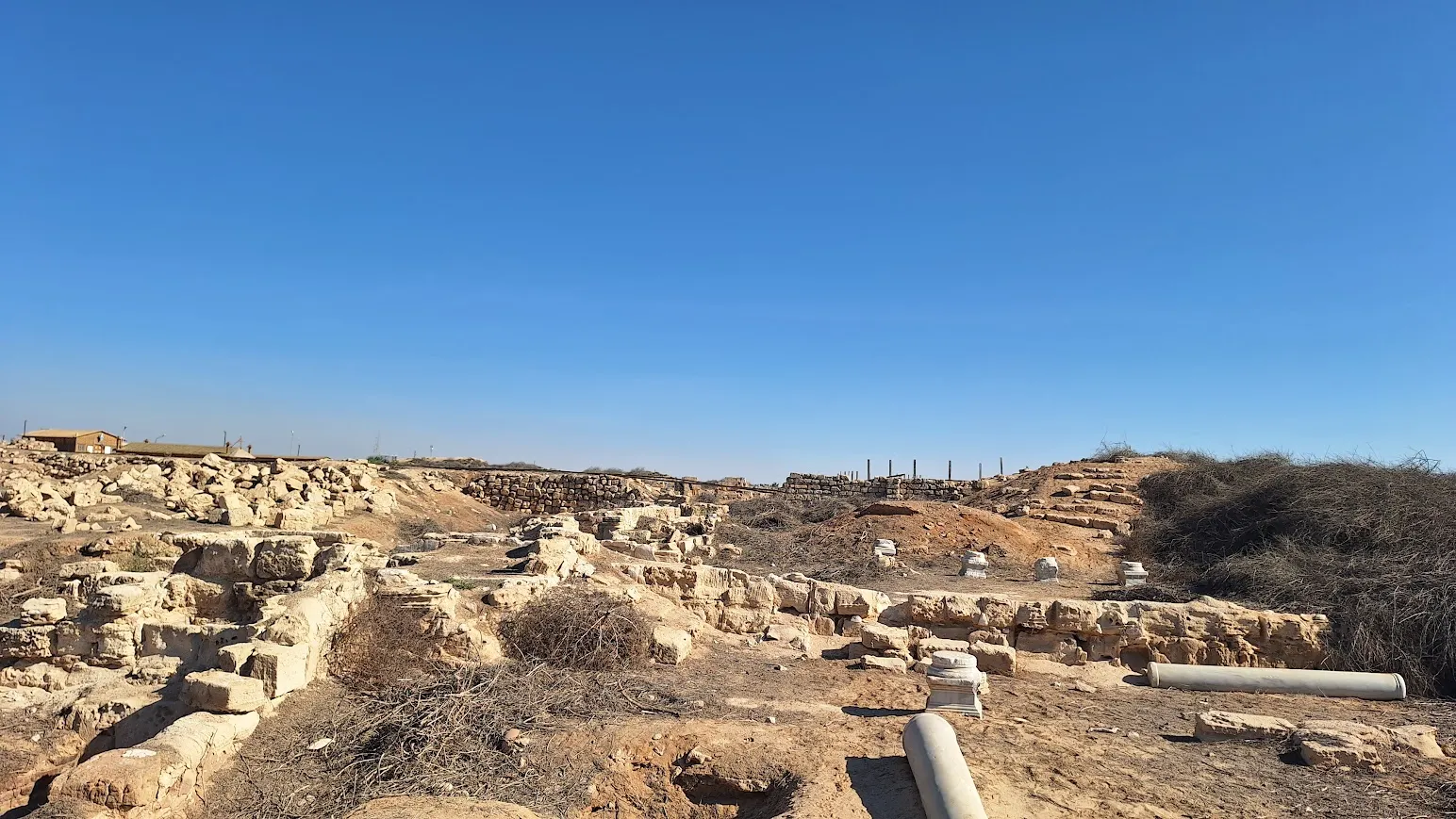
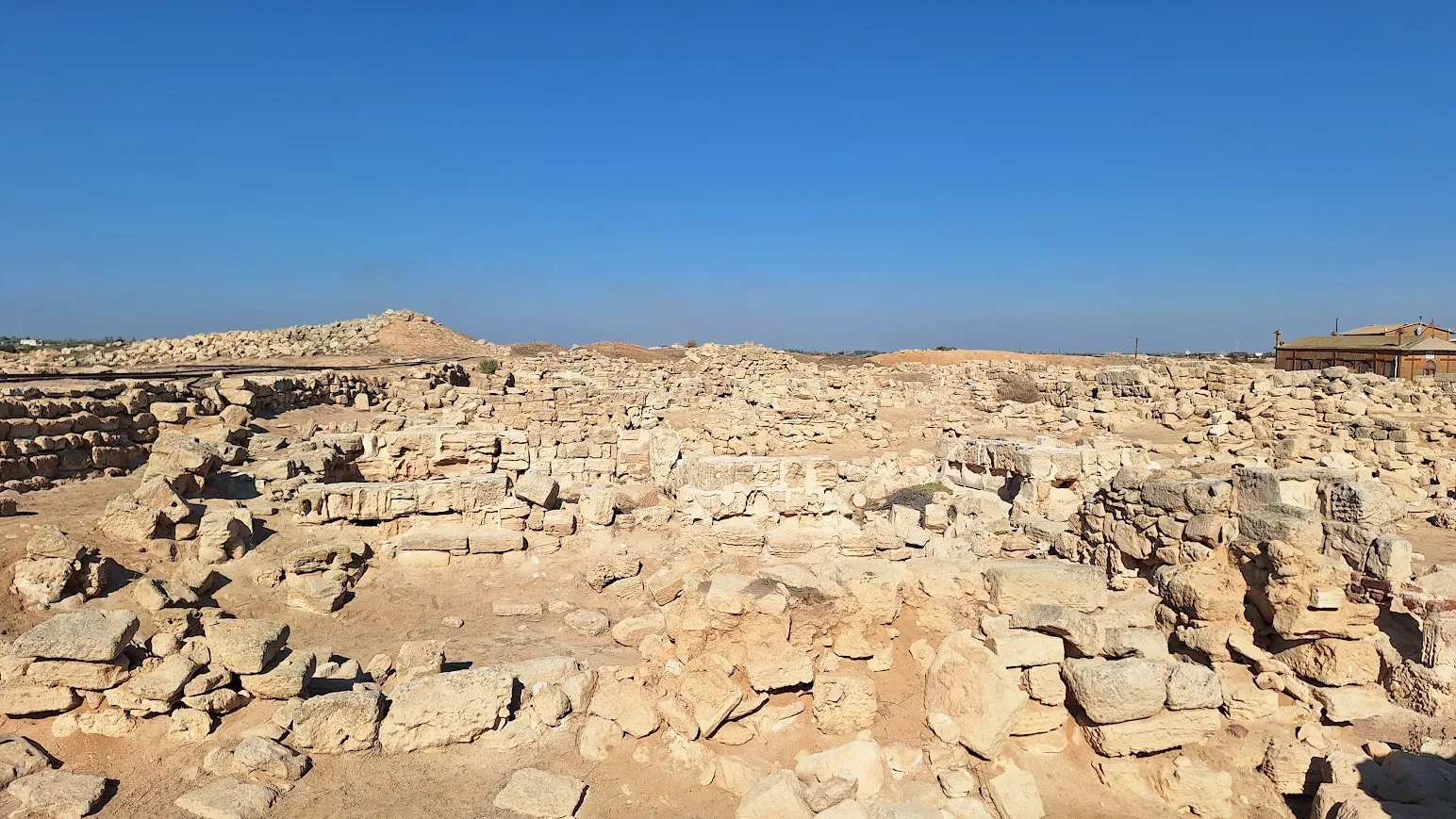
The site evolved from a simple tomb into a sprawling holy city during the 5th and 6th centuries, becoming the primary pilgrimage destination in Egypt (Zaghloul et al., 2020). The archaeological remains include a great basilica, a baptistery, public buildings, streets, monasteries, houses, and workshops (UNESCO, 2025). The complex features the Tomb Church, which contains the Saint's grave, and a cruciform pilgrim's church, reflecting a layout designed to accommodate large crowds (UNESCO, 2025). To support these visitors, the ancient city included distinct secular infrastructure, such as large hostels (xenodocheia) and two public bathhouses (UNESCO, 2025). The architectural style possesses Outstanding Universal Value (OUV), displaying a character that blends Egyptian traditions with styles from the Mediterranean basin (UNESCO, 2025).
Ancient Pilgrimage and Trade
The influence of Abu Mena extended far beyond Egypt’s borders, evidenced by the distribution of "Menas flasks" (ampullae) (Aparaschivei, 2025). These small terracotta containers were used by pilgrims to transport holy water, oil, or blessed soil back to their homes (Aparaschivei, 2025). Archaeological findings in the province of Scythia (modern-day Dobruja) confirm that pilgrims travelled from as far as the Lower Danube to Abu Mena to acquire these eulogiai (blessings) (Aparaschivei, 2025). These flasks typically depicted Saint Menas in an orans (praying) position flanked by two kneeling camels, serving as a tangible proof of the pilgrimage (Aparaschivei, 2025).
Modern Revival
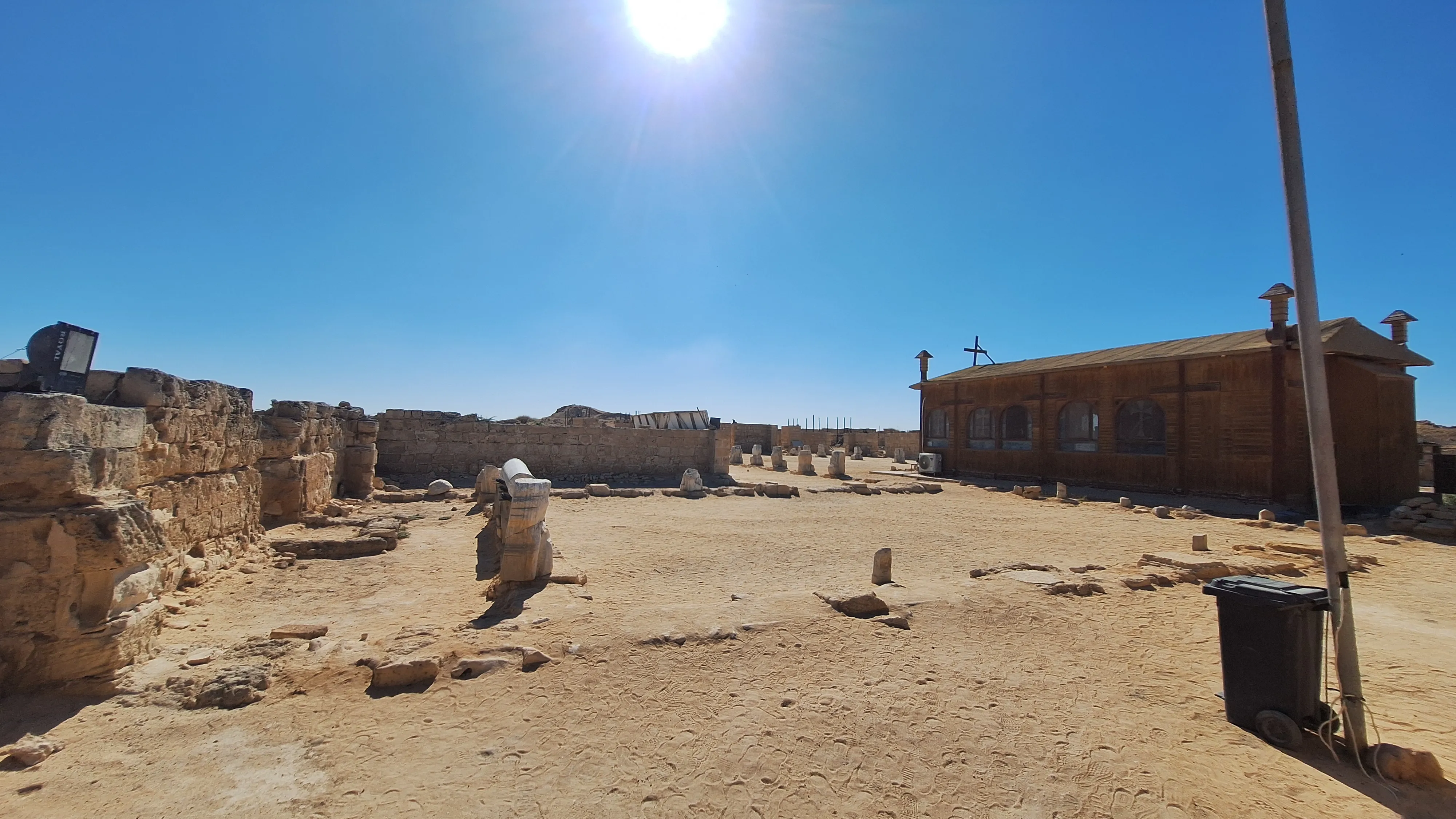
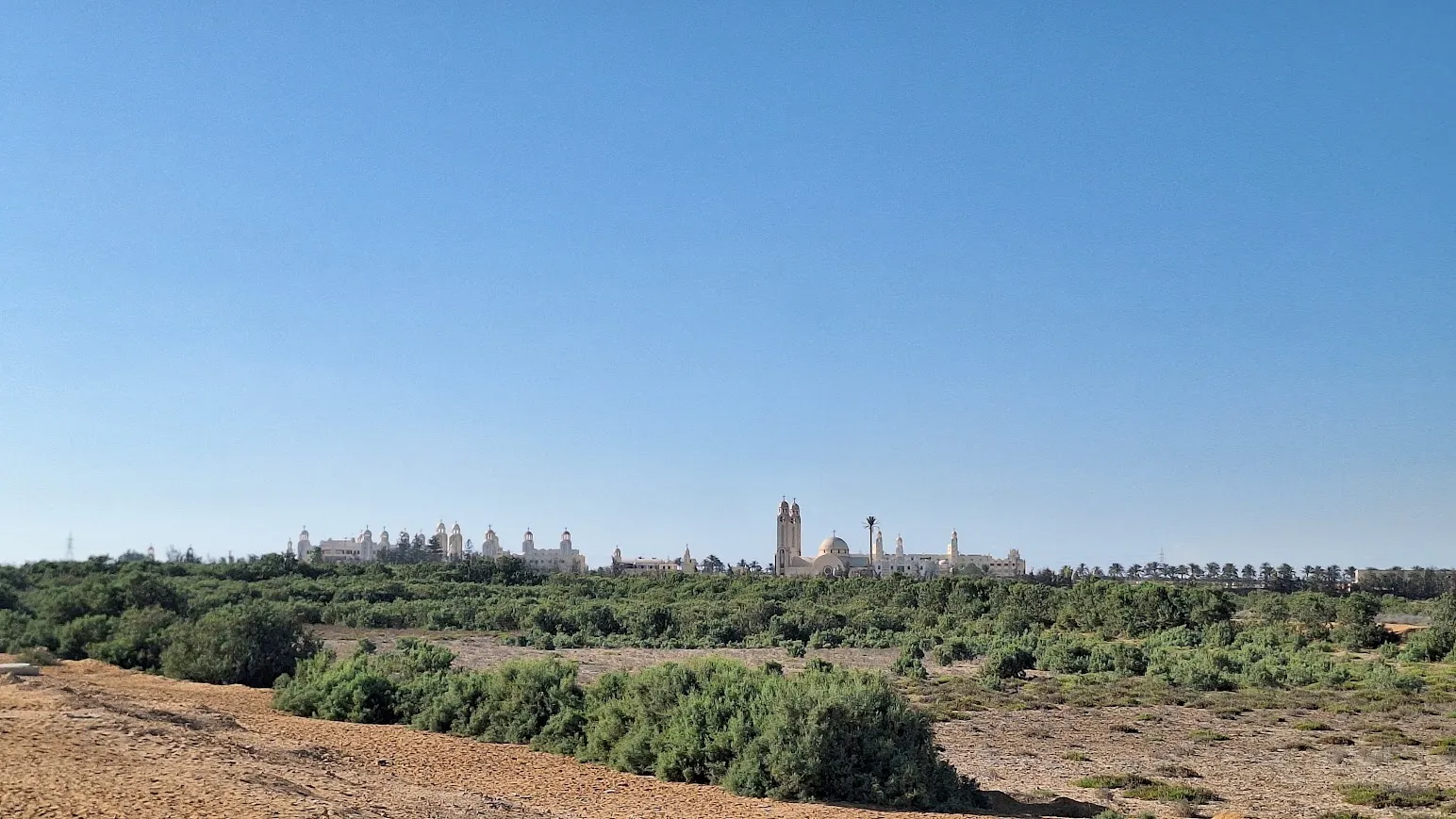
While the ancient city fell into ruin after the 7th century, the 20th century witnessed a spiritual revival of the site (Miyokawa, 2025). This resurgence was largely driven by Patriarch Cyril VI, who maintained a deep spiritual connection to St. Menas and established a modern monastery near the archaeological ruins in 1959 (Miyokawa, 2025). The revival was further catalysed by accounts of St. Menas’s miraculous intervention during the World War II Battle of El Alamein, which stimulated religious sentiments among the Greek and Coptic communities regarding the site's heritage (Miyokawa, 2025).
The Preservation Crisis
Despite its historical importance, Abu Mena faced catastrophic environmental risks in the modern era, leading to its inscription on the List of World Heritage in Danger in 2001 (Ghodya and Elbahy, 2024). The primary threat was a drastic rise in the groundwater table caused by agricultural land reclamation projects and inefficient flood irrigation systems in the surrounding region (Zaghloul et al., 2020). The site lies in a depression where the water-bearing formation is underlain by impervious Pliocene clay, which prevents downward percolation (Zaghloul et al., 2020). Excess irrigation water turned the clay soil into semi-liquid mud, destabilizing the foundations of ancient structures and causing the collapse of numerous cisterns and overlying buildings (Ghodya and Elbahy, 2024). To prevent total structural failure, authorities were forced to fill the crypt of St. Menas with sand and install supporting beams (Zaghloul et al., 2020).
Remediation and Participatory Management
The removal of Abu Mena from the Danger List in July 2025 was the result of a comprehensive management plan that integrated technical solutions with community participation (UNESCO, 2025). The Ministry of Tourism and Antiquities (MoTA), in coordination with the Ministry of Irrigation, implemented a dewatering strategy that included installing pumps and cleaning drains (Fadel and Salama, 2025). Additionally, agricultural practices in the surrounding buffer zones were modified, shifting from flood irrigation to drip irrigation to reduce water infiltration (Fadel and Salama, 2025).
Current management strategies emphasize "participatory tourism," involving the modern Monastery of St. Mina and the local Bedouin community (Fadel and Salama, 2025). The modern monastery acts as a key stakeholder, funding infrastructure projects such as perimeter walls and visitor facilities (Fadel and Salama, 2025). This collaborative model ensures that Abu Mena remains not only a protected archaeological reserve but also a living centre of heritage and spirituality (Fadel and Salama, 2025).
Gallery
The photographs below illustrate key features discussed above — the Tomb Church, basilica, monastery and the surrounding landscape. Captions include links to the relevant section for context.

Bibliography
- Aparaschivei, D. (2025) 'Pilgrims from the Province of Scythia', Frontière·s. Revue d’archéologie, histoire et histoire de l’art, Supplément 3, pp. 151–174.
- Fadel, D. and Salama, S. (2025) 'The Role of Participatory Tourism in Managing Abu Mena Archaeological Site in Mariout (Community Protection of Heritage): An Analytical Field Study', Journal of Association of Arab Universities for Tourism and Hospitality, 29(2), pp. 178–208.
- Ghodya, M.K. and Elbahy, A.A. (2024) 'Management of the Endangered World Heritage in Egypt: A Case Study of the Abu Mena Site', Delta University Scientific Journal, 7(Special Issue), pp. 142–153.
- Miyokawa, H. (2025) 'The Revival of St Menas’s Veneration in Twentieth-Century Egypt', Vox Patrum, 94, pp. 213–238.
- UNESCO (2025) Abu Mena. Available at: https://whc.unesco.org/en/list/90 (Accessed: 2025).
- Zaghloul, E.A., Abdeen, M.M., Elbeih, S.F. and Soliman, M.A. (2020) 'Water logging problems in Egypt’s Deserts: Case study Abu Mena archaeological site using geospatial techniques', The Egyptian Journal of Remote Sensing and Space Sciences, 23(3), pp. 387–399.

 LinkedIn
 GitHub
 Bluesky
 Threads
 Instagram
 YouTube
 TikTok